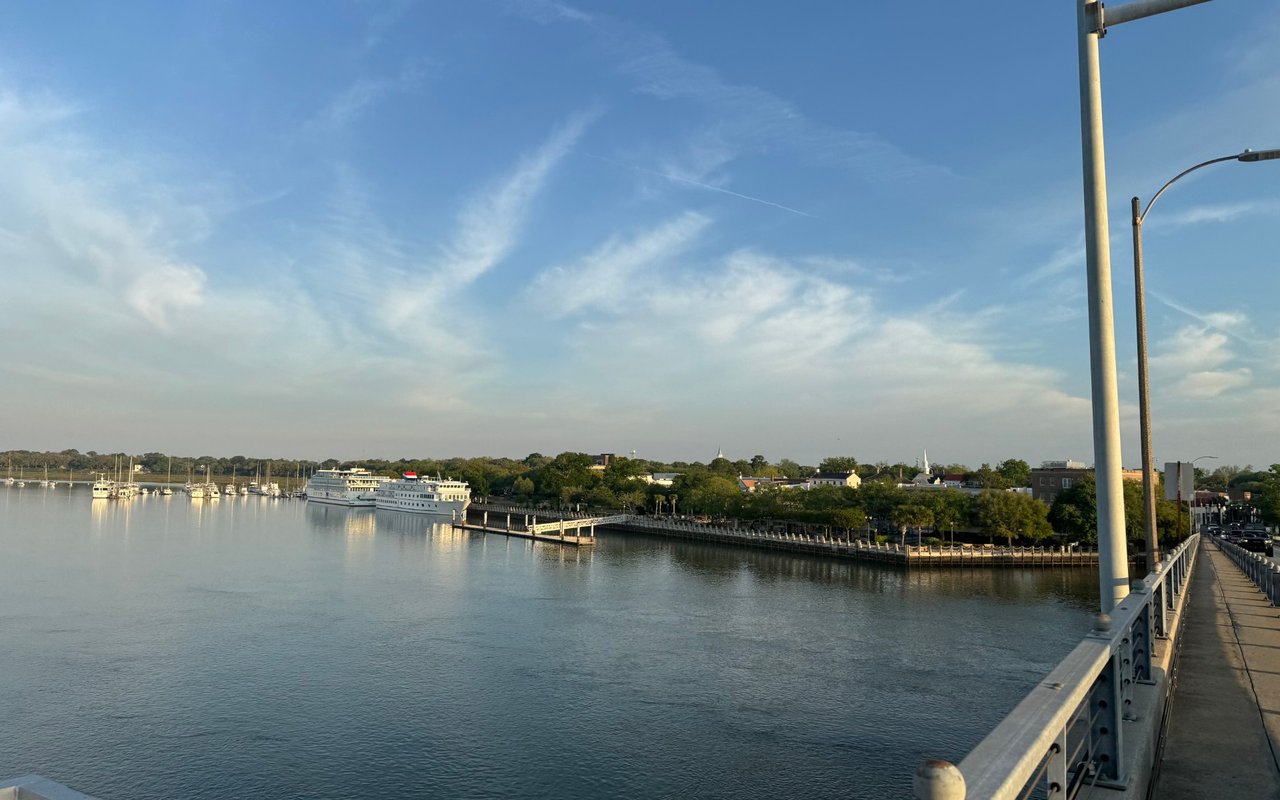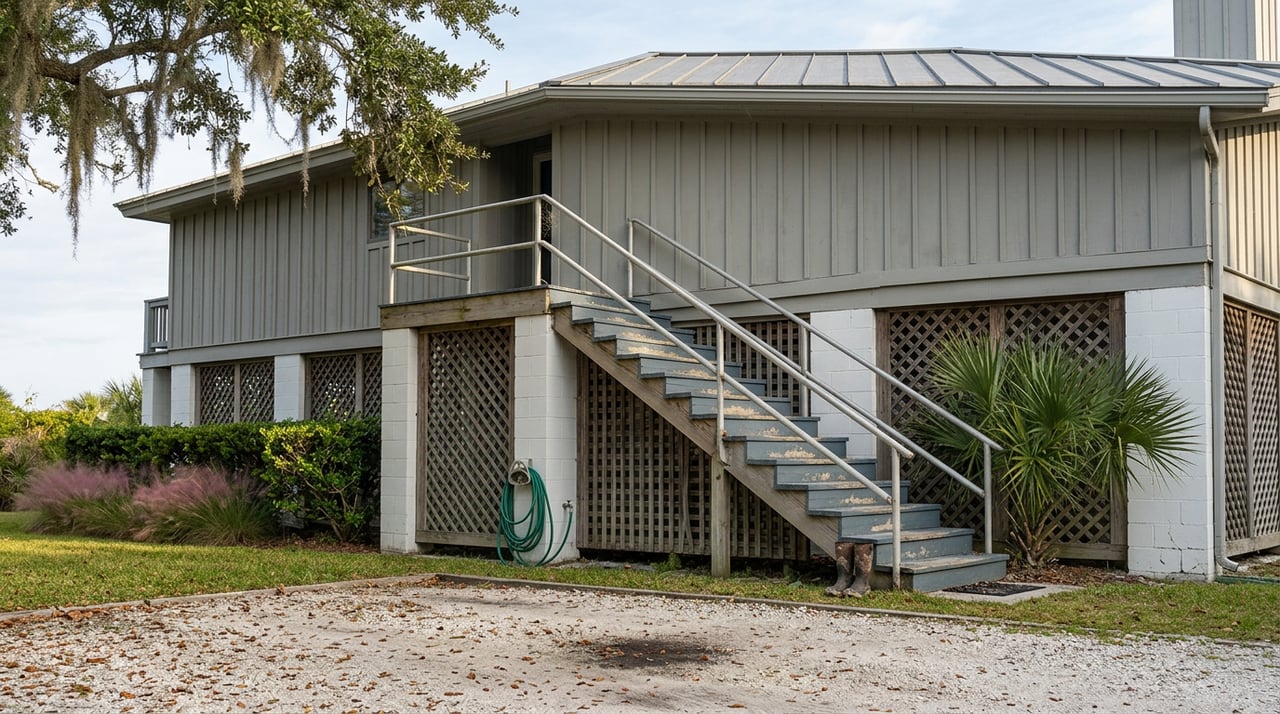
Two three-bedroom homes on Fripp Island can list at the same price, sit on lots the same size, and still cost their owners thousands of dollars a year apart to keep. The difference has nothing to do with the kitchen or the roof. It comes down to which street the home is on and what year it went up.
That is the part a median price can't tell you. Fripp is a private, gated barrier island about twenty miles east of Beaufort, and its flood insurance map hasn't looked the same since the 1970s. Buyers who compare homes here by price per square foot are missing the number that actually shapes what ownership costs, year after year.
Two Trackers, Two Medians, Same Island
Pull up Fripp Island's numbers on two different sites right now and you'll get two different stories. By June 2026, the average sale price on Fripp Island was $675,000, down 15.5 percent from a year earlier. Widen the window to the three months ending May 2026 and the median climbs to $710,000, still down close to 10 percent year over year. Only 29 homes sold on the island in May 2026, compared with 32 in May 2025.
A different tracker, measuring April 2026 closings, put the median at $849,750, with homes spending a typical 113 days on market, up from 93 a year earlier.
Neither number is a mistake. Fripp is a small market where a handful of condos, villas, and single-family homes trade hands in a given month, and each source weighs that mix differently. When a run of oceanfront single-family sales lands in one month's sample and a run of interior villas lands in another, the median moves even though no individual home changed in value. That is the first thing to understand before you anchor a budget to a headline number: on an island this size, the median is a snapshot of whatever happened to close, not a fixed price tag.
Where both trackers agree matters more. Homes are taking longer to sell than they were a year ago, whether you look at 128 days versus 94, or 113 versus 93. That stretch gives buyers something more useful than a clean median: time to ask the questions that actually determine cost of ownership here.
The Flood Zone Nobody Mentions at the Open House
Most of Fripp Island now sits in an AE flood zone, which requires a home to be elevated 13 feet above sea level to get standard flood insurance pricing. But a real share of the island's older housing stock predates that map. Homes built before 1985, particularly along Remora Drive, Dolphin Drive, and the interior roads through the northern part of the island, were originally mapped in a B zone, a far less restrictive category.
According to Dunes Insurance, an agency that specializes in coastal South Carolina coverage, that history is still usable today. Insurers can pull the historical flood maps and grandfather an eligible home into its original zone rather than pricing it against the current AE designation. The agency cites a real spread from doing this: roughly $1,200 a year for a grandfathered policy versus $2,500 for a comparable home rated at the standard, current-map price.
Two homes two streets apart, same price, same square footage, can carry flood premiums a thousand dollars or more apart, simply because one was built before the map changed and the other wasn't.
That gap compounds. Total annual insurance on a Fripp Island home, covering homeowners, wind and hail, and flood together, commonly runs from around $4,000 to more than $15,000, depending on the home's age, size, and whether it's a full-time residence or a rental. A grandfathered flood rate doesn't erase that range, but it can move a home from the upper end toward the lower end in a way no listing photo will show you.
| Grandfathered (pre-1985, B-zone eligible) | Standard AE zone | |
|---|---|---|
| Elevation basis | Set by original 1970s-80s construction | 13 feet above sea level required |
| Typical flood premium | Around $1,200 per year | Around $2,500 per year |
| Where to look | Remora Drive, Dolphin Drive, interior roads on the island's north side | Newer construction, oceanfront, and rebuilt lots island-wide |
| How to confirm | Ask for the historical flood zone determination and current declarations page | Elevation certificate on file with the carrier |
Why the Beach Itself Plays by Different Rules Here
There's a reason insurers underwrite Fripp so specifically by street rather than by island-wide reputation. Under South Carolina's public-access requirement for state-funded beach renourishment, gated communities without full public beach access, including Fripp Island, have historically not qualified for that funding, unlike open-access beach towns elsewhere in the state.
That has made erosion control a local responsibility rather than a state one for as long as the island has been developed. Erosion control was written into the original 1962 charter of the Fripp Island Public Service District, and the district has managed it directly since, including a 2,000-foot rock revetment built after a 1983 storm washed out part of Porpoise Drive. Homeowners fund that work through the Public Service District and the Property Owners Association, not through state renourishment grants.
That structure is part of why a specific address, not a general island reputation, drives what a carrier will charge. A home's elevation, its construction date, and its distance from the water carry more weight in the underwriting than whether the beach as a whole is wide or eroding that year.
What the Longer Days on Market Actually Buy You
A market moving at 128 days instead of 94 gives buyers room that didn't exist a year or two ago. Before writing an offer on Fripp Island, that extra time is worth spending on questions a faster market would have rushed past:
- Ask for the seller's current flood insurance declarations page and premium
- Ask whether the flood zone rating is standard AE or a grandfathered determination
- Ask for the elevation certificate, if one exists
- Ask how the carrier classified the home's original construction date
None of that shows up in the listing price. All of it shows up in the first insurance bill after closing, which is exactly when you don't want a surprise.
FAQ
Does buying an older Fripp Island home guarantee cheaper insurance? No. Grandfathering depends on the specific flood zone history tied to that address, not simply the year the home was built. Confirm it with an elevation certificate and the seller's current policy rather than assuming based on the street name alone.
Why do different market reports show different median prices for Fripp Island? Different trackers pull from different time windows and weigh the mix of condos, villas, and single-family homes differently. On an island where only a few dozen homes close in a typical month, that mix can swing the median noticeably without reflecting a real change in what any specific home is worth.
Are Property Owners Association assessments the same as insurance costs? No. FIPOA dues are billed each November and due in January, and they cover the island's shared roads, bridge access, and common areas. Insurance is a separate cost, negotiated with a private carrier or the National Flood Insurance Program, and it's the one most tied to your specific street.
Fripp Island rewards buyers who ask the right questions before they fall for a view. If you're comparing a specific address here against other Lowcountry options, J.P. Signature Group can help you pull the flood zone history, connect you with agents who know which streets carry which rates, and walk the real math alongside the listing price. Contact Us to start with the address you're actually considering.