Two buyers can make offers on homes less than a mile apart in Seabrook and walk into completely different lending conversations. One calls a conventional mortgage lender and moves through underwriting in the usual way. The other discovers their dream home is titled as personal property, not real estate, and needs a chattel loan with a shorter term and a higher rate before anyone will even discuss a rate lock.
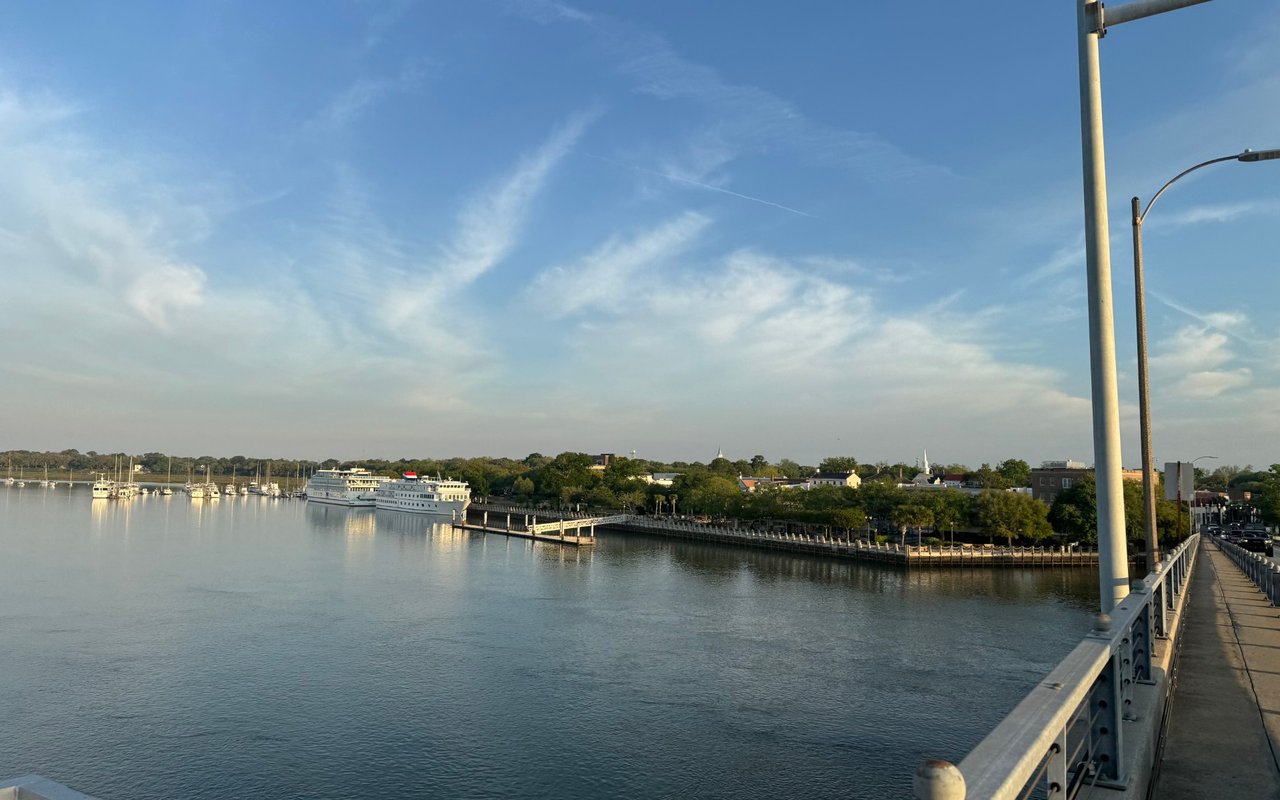
That split is not about price. It is about what the house is, legally, before it is anything else. Seabrook, the rural Beaufort County community that grew up around a pecan farm and still crosses the Whale Branch Passage on Highway 21 to reach it, carries a single median list price on the portals. That number describes an average of five genuinely different housing products, and each one comes with its own financing rulebook. If you are comparing Seabrook to other Lowcountry communities before you write an offer, the median is the least useful number in the search.
Five Sections, One Zip Code
Seabrook is often described as three residential sections: an older non-HOA area with fewer restrictions, Seabrook Point with New Traditional ranch-style homes, and Stuarts Point, known for marshland views and private boat docks. That framework misses two more distinct developments that sit inside the same zip code and change the financing conversation again: Teal Bluff, a subdivision built in 2022 and 2023 on half-acre homesites between the Whale Branch and McCalleys Creek, and Bull Point Plantation, a gated community of 248 homesites spread across more than 750 acres along Huspah Creek.
| Section | Typical housing stock | Typical financing path |
|---|---|---|
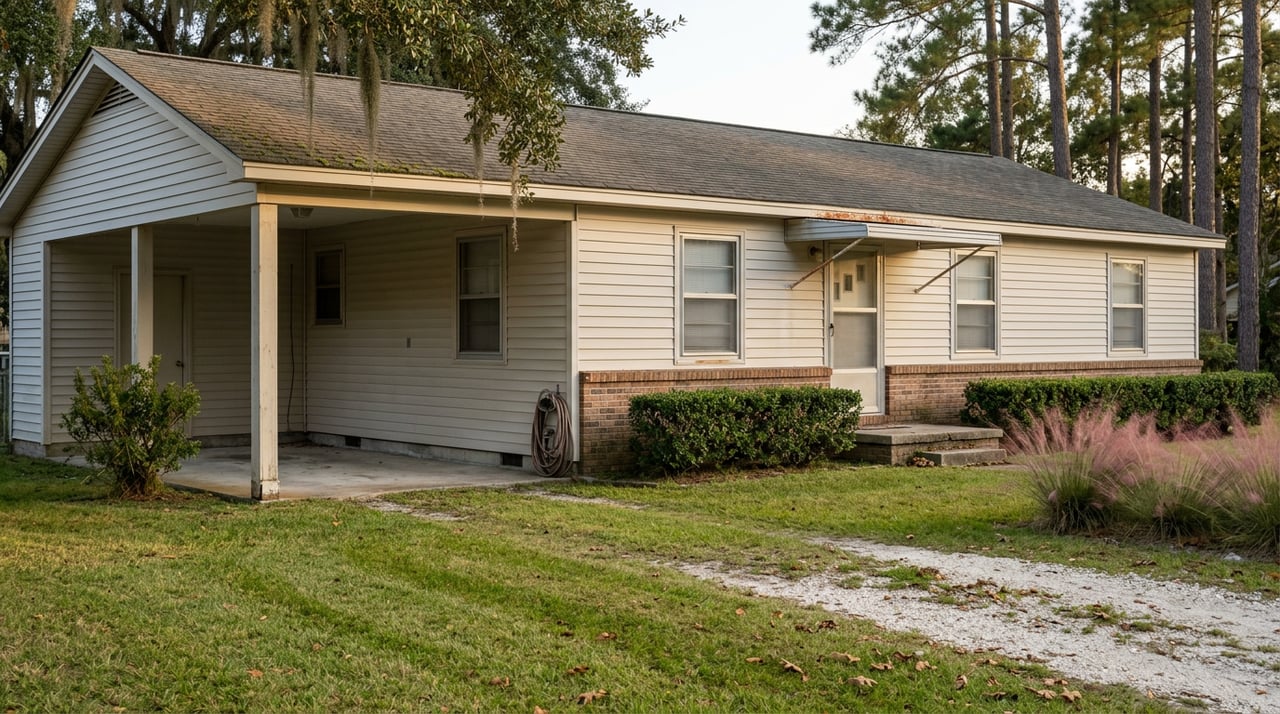
| Non-HOA area | Ranch homes from the 1960s through the 1990s, plus manufactured and mobile homes on owned land | Chattel loan if the home is titled as personal property; conventional or FHA financing once it sits on a permanent foundation and is titled as real property |
| Seabrook Point | New Traditional ranch-style homes | Conventional mortgage in most cases |
| Stuarts Point | Marsh-view homes with private boat docks | Conventional or jumbo, depending on acreage and dock permitting |
| Teal Bluff | New construction on half-acre lots | Conventional, standard new-construction underwriting |
| Bull Point Plantation | Gated custom homes on 0.65 to 4-plus acre homesites | Conventional or jumbo, with annual HOA dues counted in debt-to-income |
A buyer who only checks the median list price for the zip code has no way of knowing which row of that table they are actually shopping in.
Why a Manufactured Home Needs a Different Kind of Loan
The non-HOA section of Seabrook still holds a mix of older ranch houses and manufactured or mobile homes, and that mix carries real financing consequences. A manufactured home financed through a conventional mortgage generally needs to meet specific conditions: built after June 15, 1976 to HUD construction standards, set on a permanent foundation, and titled as real property along with the land underneath it. Fannie Mae's MH Advantage program will finance a qualifying manufactured home over 30 years with a down payment as low as 3 percent, but the home has to check every box first.
A home that has not been converted to real property, or one sitting on leased land, does not qualify for that treatment. It gets financed with a chattel loan instead, and chattel loans behave differently from a standard mortgage. According to a National Consumer Law Center backgrounder on manufactured housing finance, chattel loans typically run 10 to 20 years instead of 30, and interest rates typically run two to five percentage points higher than conventional mortgage rates. That difference shows up every month on the payment, not just at closing.
This is not a hypothetical for Seabrook. Listings for vacant parcels in the non-HOA section describe lots zoned for manufactured and modular homes where electric service is available but a well and septic system still needs to go in before the home can be occupied. A buyer comparing that lot's asking price to a Teal Bluff new-construction listing is comparing two numbers that lead to two entirely different loan applications.
The Well and Septic Bill That Never Shows Up in the Listing Price
Rural well and septic installation in this part of the Lowcountry typically runs $15,000 to $30,000 combined, according to guidance from a mortgage lender that specializes in manufactured home and land financing. That figure covers the well itself, the septic system, and site work, and it is separate from the price of the home or the land.
For a buyer looking at Seabrook's non-HOA parcels, this is not an optional upgrade. It is closer to a condition of occupancy. Lenders financing the home want that cost accounted for in the total project budget before they will finalize terms, because a home without working water and waste systems is not habitable collateral. A buyer who budgets only for the list price of the land and the manufactured home, without setting aside money for utilities, will be underfunded before the loan even closes.
Bull Point's Dues Live Inside Your Debt-to-Income Ratio
At the other end of Seabrook, Bull Point Plantation runs on a completely different set of numbers. The gated community's property owners association charges annual dues typically ranging from $2,000 to $3,000, which fund a 6,500-square-foot clubhouse with a fitness center, sauna, and library, a waterfront pool, tennis and pickleball courts, three deep-water community docks on Huspah Creek, a private boat ramp usable at all tides, and boat and RV storage. Custom homes in Bull Point typically range from $600,000 to $2 million or more, with homesites priced from roughly $30,000 to $475,000 depending on whether the lot fronts a lake, marsh, or deep water.
Those HOA dues are not a lifestyle add-on that a buyer decides to absorb later. A lender qualifying someone for a conventional or jumbo mortgage counts HOA dues as a monthly obligation in the debt-to-income calculation, the same way a car payment gets counted. That means two buyers with identical incomes and identical target home prices can qualify for different loan amounts in Bull Point versus, say, Seabrook Point, purely because one community's dues eat into the debt-to-income math and the other's does not.
What the County Median Can't Tell You
Beaufort County's median listing price stood at $525,000 in May 2026, according to Federal Reserve Bank of St. Louis housing inventory data. That number sits above every non-HOA parcel in Seabrook and below most custom homes in Bull Point Plantation. It is a genuinely accurate figure for the county as a whole, and it tells a Seabrook buyer almost nothing about which lender to call.
The same is true one level down. Citywide figures released in the past few months for Beaufort show average home values holding just above $416,000, with the broader county running higher due to waterfront and gated-community pricing further out. Seabrook's zip code sits inside that range on paper, but the range itself is built from five products that do not compete with each other in any meaningful way. A buyer with $400,000 to spend is not choosing between comparable homes when they cross from the non-HOA section into Teal Bluff. They are choosing between different loan products, different closing timelines, and different monthly obligations that happen to land near the same number.
Before You Call a Lender
The order of operations matters here. Before touring homes in Seabrook, it is worth finding out which section a property sits in and asking the listing agent directly whether the home is titled as real property or personal property, whether it sits on owned or leased land, and whether it belongs to an HOA with dues. Those three answers determine which lender to call first, because not every loan officer handles chattel financing, and not every conventional lender will touch a manufactured home that has not been converted to real property.
A pre-approval letter from a lender who specializes in one financing type does not transfer cleanly to a purchase that needs another. Getting that conversation right before writing an offer saves the kind of delay that can cost a buyer the house.
FAQ
Can a manufactured home in Seabrook qualify for a 30-year mortgage? Only if it meets specific criteria: built after June 15, 1976 to HUD construction standards, set on a permanent foundation, and titled as real property along with the land it sits on. A qualifying home may be eligible for Fannie Mae's MH Advantage program, which allows 30-year terms with down payments as low as 3 percent. A home still titled as personal property, or one on leased land, is financed with a chattel loan instead, typically running 10 to 20 years at a higher rate.
Do Bull Point Plantation's HOA dues affect how much house I can afford? Yes. Lenders qualifying a buyer for a conventional or jumbo loan count HOA dues as a monthly obligation in the debt-to-income calculation. Bull Point's dues, typically $2,000 to $3,000 a year according to the property owners association, reduce the loan amount a buyer qualifies for even when the home's list price fits comfortably within their target budget.
If I'm looking at vacant land in Seabrook's non-HOA section, should I budget for well and septic before I talk to a lender? Yes. Several parcels in this part of Seabrook are sold with the understanding that a well and septic system still needs to be installed, and that work typically runs $15,000 to $30,000 combined. Lenders will want that cost built into your total project budget, not treated as an afterthought once the loan is already in process.
Seabrook rewards a buyer who does the homework on the front end, and that homework starts with the financing question, not the price question. If you are weighing a manufactured home on non-HOA land against a custom build in Bull Point Plantation, or trying to figure out which lender actually handles the kind of collateral you are looking at, J.P. Signature Group can walk through what each section of Seabrook actually requires before you make an offer. Contact Us to talk through your specific situation.